Markers are the part of a whiteboard setup that gets used up, lost and replaced most often, which makes them one of the easiest items to buy badly. The wrong tip size makes writing hard to read, too few colors limit how teams organize information, and ordering small packs every few weeks wastes time and money. A little planning turns markers into a predictable, low-effort supply line.
This guide focuses on the buying decisions: which tip sizes suit which boards and users, how to plan a color system, and how to estimate and store bulk orders. For everyday writing technique, see our earlier post on choosing whiteboard markers for clear daily writing.
Tip Sizes and Where Each One Fits
Dry erase markers generally come in three tip styles. Matching the tip to the board size and viewing distance matters more than any other choice.
Fine tips
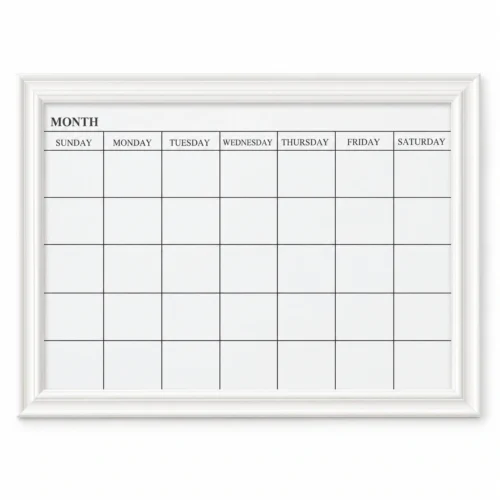
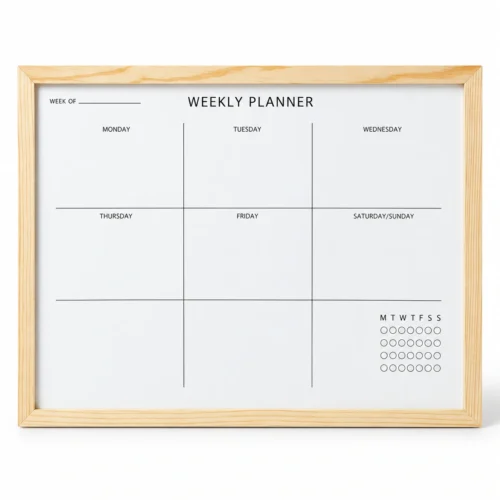
Best for desktop boards, mini whiteboards, lapboards, calendars and planners. They allow small, neat writing in tight grid boxes. In classrooms, fine tips also help younger students control letter size on handheld boards.
Bullet tips
A rounded tip that gives a medium, even line. It is the all-rounder for wall boards in offices and classrooms, readable at normal meeting-room distances and forgiving for users who press hard.
Chisel tips
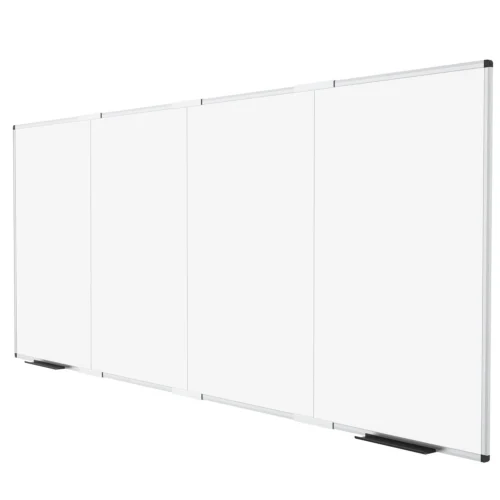
An angled tip that writes thin or thick depending on how you hold it. Choose chisel tips for large wall boards, mobile whiteboards and training rooms where text must be read from the back of the room, and for headings and underlining.
Choosing tips by user group
Beyond board size, think about who will hold the marker. A mixed order often makes more sense than one tip for everyone:
- Young students: fine or bullet tips sized for small hands, one per child, so markers are not shared and lost.
- Teachers and trainers: chisel tips for the main board plus a fine tip for annotating handouts on a desk board.
- Office meeting rooms: a full set of bullet tips in core colors, with one or two chisel tips for headings.
- Warehouses, kitchens and shop floors: bold bullet or chisel tips in black and red that can be read quickly while people are on the move.
Planning a Color System
Black, blue, red and green cover most needs, but a deliberate color plan makes boards far easier to read. Agree on what each color means and post the key near the board:
- Black or blue: main content, the color most people write with by default.
- Red: deadlines, problems, blockers and corrections.
- Green: done, approved or on track.
- Extra colors: assign one per team, shift or project on planning and calendar boards. A 12-color dry erase marker set gives enough range for this without colors looking too similar.
Lighter colors such as yellow, orange and pink can be hard to read from a distance on white surfaces, so keep them for highlighting rather than main text. On dark or colored glass boards, test colors before buying in volume.
Matching Markers to the Board Surface
Most standard dry erase markers work across painted steel, enamel, melamine and glass whiteboards, but how cleanly they erase depends on the surface and how long ink sits. Melamine boards tend to need more frequent cleaning; enamel and glass erase more easily. Our whiteboard surface types guide explains the differences. Two rules apply everywhere:
- Never use permanent markers or flipchart markers on a whiteboard. Keep them in a separate place so they are not picked up by mistake.
- Do not use chalk markers on dry erase surfaces unless the product page says they are suitable.
How to Estimate a Bulk Order
There is no universal formula, because usage depends on how often boards are written on. A simple way to estimate is to track one period and scale up:
- Count your boards and group them by type: desk, wall, mobile, classroom handheld.
- Set a starting kit per board, for example a set of core colors for each wall board and one fine-tip marker per handheld board.
- Track replacements for a month or a term. Note which colors and tips run out first; black and blue usually go fastest.
- Multiply by the number of periods you want to cover, then add a buffer for lost markers.
- Weight the order toward the colors and tips that run out first instead of buying equal quantities of everything.
Storing Markers in Bulk
- Keep spare markers sealed in their packaging until needed, in a cool, dry cupboard away from direct sun and heaters.
- Store open markers horizontally so ink stays evenly spread through the tip.
- Rotate stock: hand out older packs first.
- Give each room a labeled caddy and restock on a fixed schedule rather than on request.
Buying Options for Offices, Schools and Resellers
If you need just a few sets to try, selected markers are available on the Buy from 1 Piece page with flat US$9 shipping in the US. For larger quantities, order listed products online, such as our standard dry erase marker; the minimum order depends on the product. Resellers and organizations who want markers bundled with boards, or printed with a logo, can request a quote. Custom printed designs usually start from 100 pieces.
Stock Up on Markers
Browse the full whiteboard markers range to compare tips and color sets. For a combined order of boards and markers, request a quote and we will confirm the full cost, including shipping, before payment.
Shop the boards in this guide