Screens, apps and shared drives have taken over most communication, yet pin boards are still on the walls of offices, classrooms, kitchens and shops. They do one job that digital tools don’t: they keep important information physically in front of people, all the time, without anyone needing to open anything.
What pin boards do better than screens
- Always on: notices, rotas and safety information are visible without logging in.
- Tangible: printed plans, samples, photos and swatches can be pinned side by side.
- Shared ownership: anyone can add a note, which suits staff rooms and team areas.
- Low cost: no power, no software and almost no maintenance.
Where they are most useful
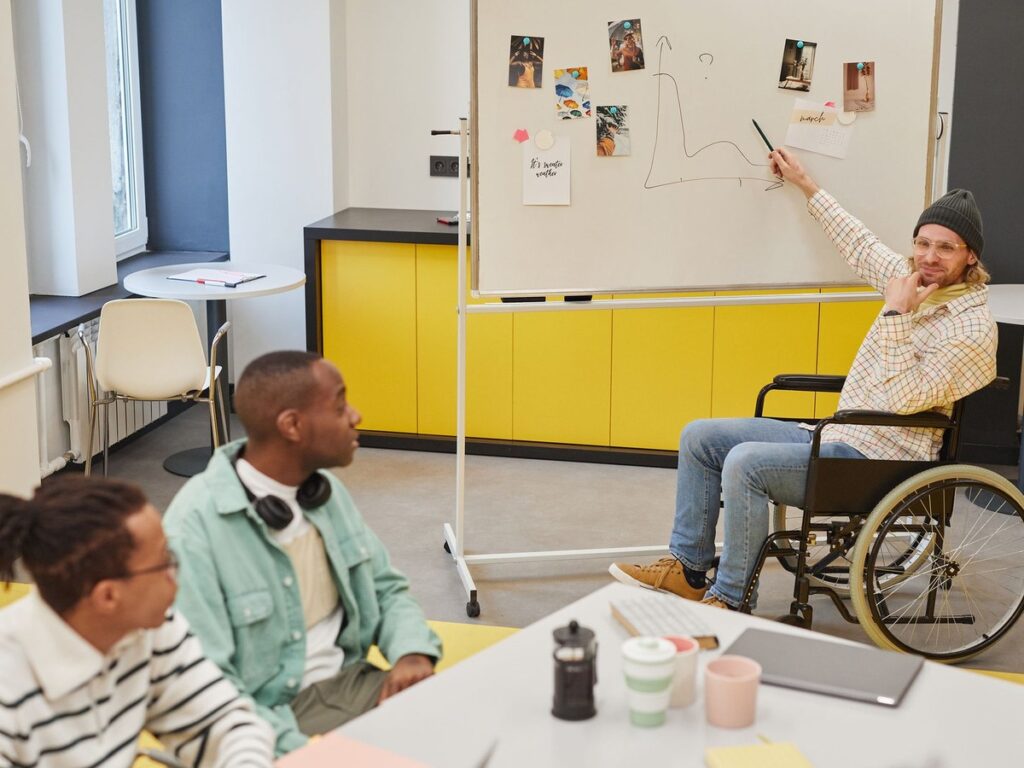
Staff rooms and corridors (rotas, announcements), classrooms (student work, word walls), project rooms (mood boards and plans), retail back offices (targets, schedules) and reception areas (visitor information). In public areas, enclosed noticeboards with a lockable door keep notices tidy and secure.
Cork, felt or combination?
| Type | Best for | Notes |
|---|---|---|
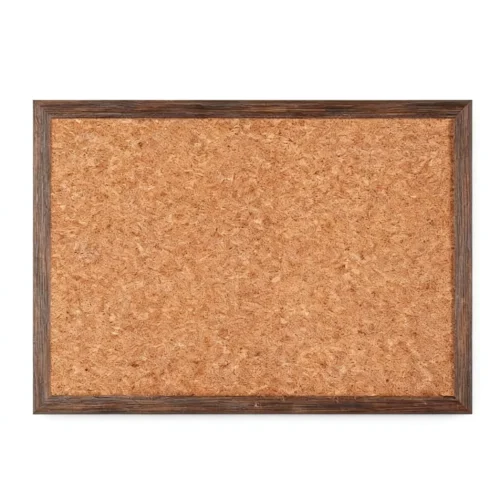
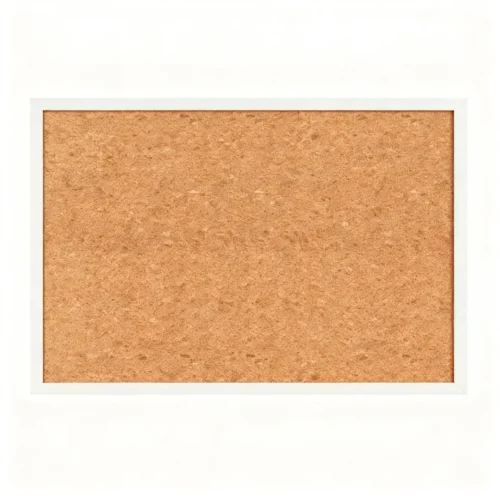
| Natural cork | Offices, classrooms, home | Classic look, self-healing surface for pins |
| Felt / fabric | Receptions, design studios | Available in colours, quieter look, works with pins |
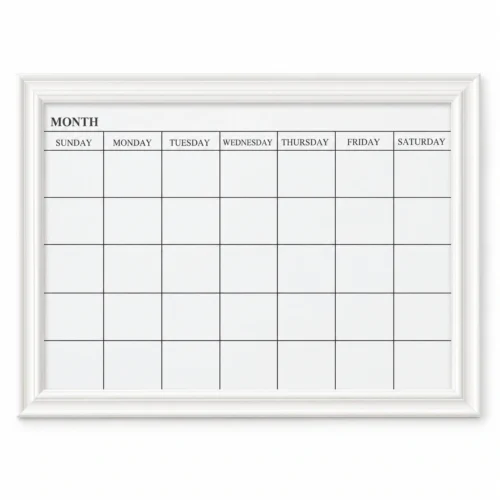
| Combination board | Meeting rooms, team areas | Whiteboard and cork side by side on one frame |
| Enclosed noticeboard | Corridors, public areas | Lockable door protects notices |
Browse our pin boards and combination whiteboards for sizes and frames.
Keeping a pin board useful
- Divide it into clear sections with headings (Notices, Schedules, This week).
- Date every notice and clear out old ones monthly.
- Use a consistent paper size so the board looks organised.
- Place it where people naturally pause: near doors, printers or kitchens.
Ordering for multiple sites
Schools, office groups and retail chains often want the same board in every location. Request a bulk quote with sizes, frame colour and quantities for each site.
Shop the boards in this guide