Glass whiteboards have moved from executive suites into everyday offices, classrooms and clinics. They look clean, they erase well and they fit modern interiors. But glass is not automatically the best choice for every wall. This article looks at the practical pros and cons, then goes room by room so you can decide where glass is worth it.
If you want a head-to-head comparison with steel boards first, see magnetic whiteboards vs glass whiteboards. Here we focus on the day-to-day realities of owning glass.
The Pros of Glass Whiteboards
- Very clean erasing. Tempered glass is non-porous, so marker ink sits on top of the surface rather than soaking in. This makes glass highly resistant to ghosting.
- Easy to keep looking new. Glass does not dent like a thin steel board, and it can be cleaned with ordinary glass-safe cleaners.
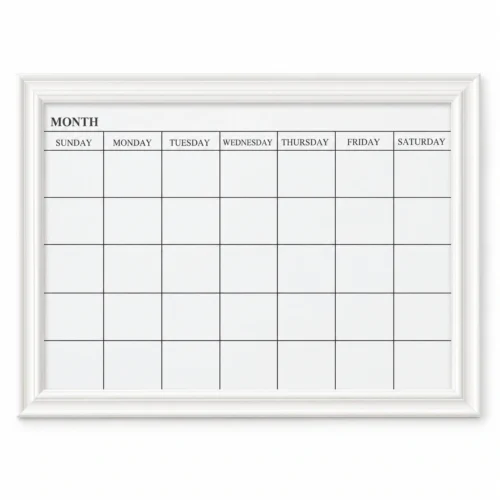
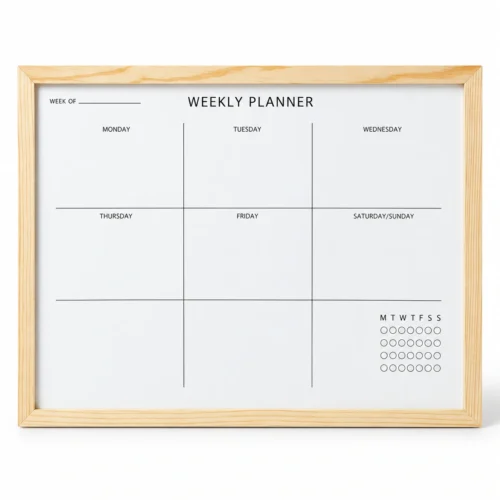
- Design flexibility. Glass boards come in white and colored backings, frameless or framed, and can carry printed grids, maps or planners.
- Magnetic options. Magnetic glass boards hold magnets through the glass, so you keep the display function of a steel board.
A final practical advantage is consistency. Because the surface does not wear in the way coated boards can, a glass board installed in a meeting room tends to look and behave the same after years of use, which helps when you want every room in a building to feel the same.
The Cons You Should Plan For
- Weight. Glass is heavier than most steel or melamine boards of the same size, so wall fixings and handling need more care.
- Magnet strength. Because magnets act through a layer of glass, standard small magnets may slide. Stronger magnets designed for glass boards work better.
- Glare. Glossy glass can reflect windows and ceiling lights. Think about the board position, or consider an anti-glare surface.
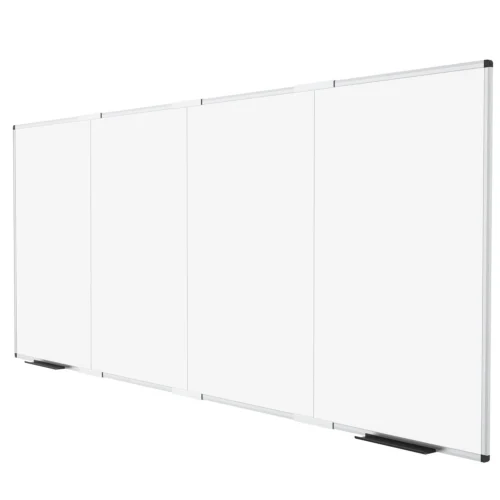
- Size and delivery. Very large glass panels are harder to move through buildings. Large items are quoted with freight to your address, and access should be checked in advance.
- Not ideal for rough use. In spaces where boards are knocked by carts or equipment, a steel or enamel board may be more practical.
Questions to Ask Before Choosing Glass
Before you commit, run through a few practical questions with whoever manages the space. The answers usually make the decision clear.
- Will people use magnets heavily? If the board doubles as a display for printouts and cards, choose a magnetic glass version and budget for strong magnets.
- Can the wall carry the weight? Glass boards need solid fixing points. On drywall, confirm studs or heavy-duty anchors before ordering a large panel.
- How will it reach the room? Measure doors, elevators and corners on the delivery route, especially for wide panels.
- Framed or frameless? Frameless glass looks minimal and works well on feature walls. A frame adds edge protection in busier spaces and can make handling easier.
- What backing color? White is the most readable for everyday writing. Colored backings suit brand colors and design-led spaces but can reduce contrast for some marker colors.
If most answers point to heavy use, rough handling or tight access, glass may still work, but plan the installation carefully or consider a different surface for that particular room.
Glass vs Enamel: Two Ways to Get a Long-Life Surface
Buyers who want a surface that resists ghosting often narrow the choice to glass or enamel. Both are hard and non-porous. Enamel is fused onto steel, so it behaves like a traditional magnetic board, is lighter than glass at the same size and handles knocks well. Glass wins on appearance and design options. In classrooms and training rooms with heavy daily use, enamel is often the practical pick; in offices and client areas, glass often wins on looks.
Where Glass Makes Sense
Client-facing meeting rooms
Where first impressions matter, a frameless glass board with a pure white backing looks tidy and professional. A model like the ultra-white magnetic glass whiteboard gives a bright surface that keeps colors true.
Rooms with projectors
If you want to project onto the board and write over the image, glare matters. An anti-glare glass projection whiteboard is designed for that combination.
Clinics, labs and kitchens
Because glass is non-porous and easy to wipe, it suits spaces where boards are cleaned often and appearance has to stay neat.
Branded and printed layouts
Glass is a good base for printed planners, maps or logos. Custom printed designs usually start from 100 pieces and are handled through our custom whiteboards service.
Where Glass May Not Be the Best Fit
- Warehouses and workshops where boards take knocks.
- Very large walls in buildings with tight delivery access.
- Low-traffic spots where a lighter, simpler board does the job.
- Rooms that need to move boards around; a mobile whiteboard may be more flexible.
Tips for Living With Glass
- Use markers made for glass or good-quality dry erase markers; bright colors show best on white backings.
- Choose strong magnets intended for glass boards.
- Check the light at different times of day before fixing the board.
- Follow the mounting instructions and use two people to lift.
For more background, our article on glass whiteboards vs standard whiteboards covers surface differences in more depth.
Choose the Right Glass Board
Compare glass and steel options in our magnetic whiteboards range. For custom sizes, printed designs or multi-room projects, request a quote and we will confirm the product and shipping cost before payment.
Shop the boards in this guide