Mini whiteboards are one of the simplest tools for an active classroom. Every student can answer at the same time, the teacher sees every answer at a glance, and nobody wastes paper. If you are buying a set for a class or a whole school, here is what to look for.
Why teachers use mini whiteboards
- Every student answers. Instead of one hand up, the whole class writes an answer and holds it up together.
- Quick checks for understanding. Teachers can spot a misunderstanding in seconds and adjust the lesson.
- Low pressure. Mistakes wipe away, so students are more willing to try.
- Less paper. Spelling practice, maths working and quick sketches do not need worksheets.
Types of mini whiteboards
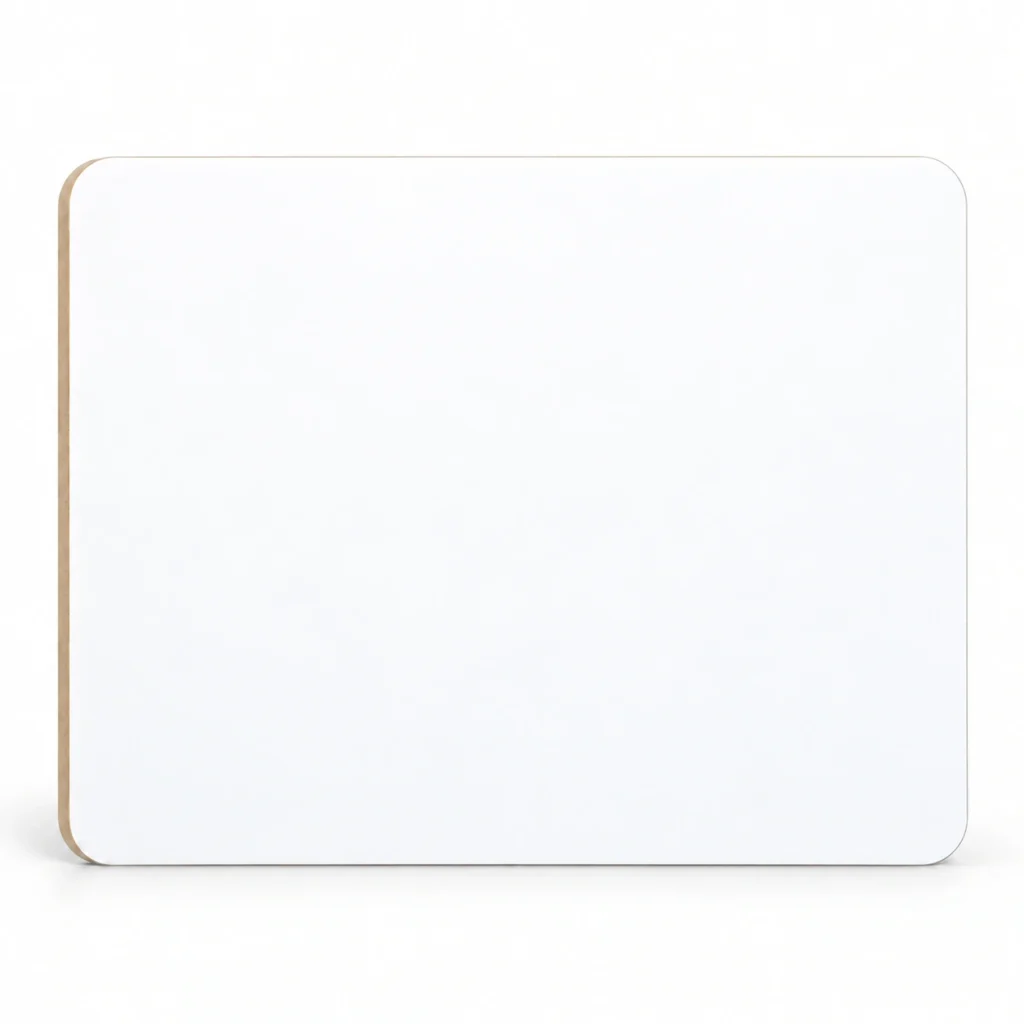
- Lapboards: flat boards that rest on a desk or lap. Common sizes are around 23 × 30 cm (9″ × 12″) and 30 × 40 cm (12″ × 16″).
- Response paddles: small boards with a handle that students raise to show an answer. They are great for quizzes, voting and games.
- Double-sided boards: one side plain and the other lined or gridded, useful for handwriting and maths.
- Magnetic mini boards: hold letter magnets, number tiles and counters for phonics and maths activities.
You can see lapboards, paddles and other small boards in our mini whiteboards category.
What to check before you buy
- Size: big enough for an answer to be read from the front of the room, small enough for a desk.
- Weight and edges: light boards with rounded corners are safer and easier for younger children.
- Surface: a smooth dry erase surface that wipes clean with a cloth or felt eraser.
- Single- or double-sided: decide if you need a lined or grid side.
- Markers and erasers: plan for one marker per student plus spares. Thin-tip dry erase markers work best on small boards.
- Storage: boards that stack flat are easy to hand out and collect.
Classroom routines that work
- Show me: ask a question, give thinking time, then everyone shows their board on a signal.
- Hinge questions: one multiple-choice question in the middle of a lesson to decide whether to move on.
- Exit tickets: students write one thing they learned before leaving.
- Peer check: students swap boards and check each other’s working.
Set clear rules for drawing and erasing so the boards stay a learning tool, and keep a small cloth or sock with each board so erasing is quick.
Caring for a class set
Ask students to erase at the end of each activity rather than at the end of the day, and wipe the boards weekly with a damp cloth. This prevents ghosting and keeps the set looking new for longer. Our article on keeping whiteboards clean has more tips.
Buying for a class or a school
For a single class, you can order the quantity you need at the per-piece prices shown, and selected mini boards can be bought from 1 piece if you want to try one first. For larger school orders, or boards printed with your school name or a custom grid, send us your quantities and we will prepare a quote. You can also find more ideas in whiteboard ideas for classrooms.
Shop the boards in this guide

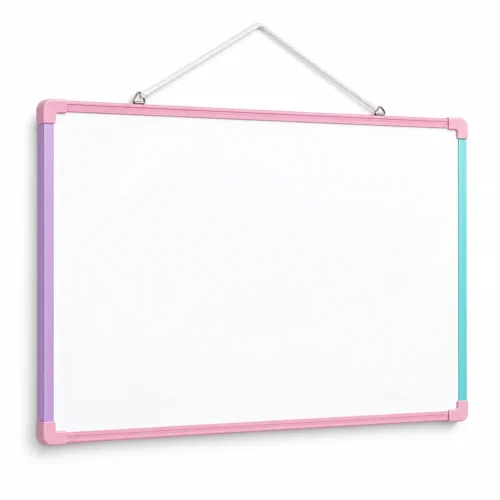
Wall-Mounted Magnetic Whiteboard with Corner Caps
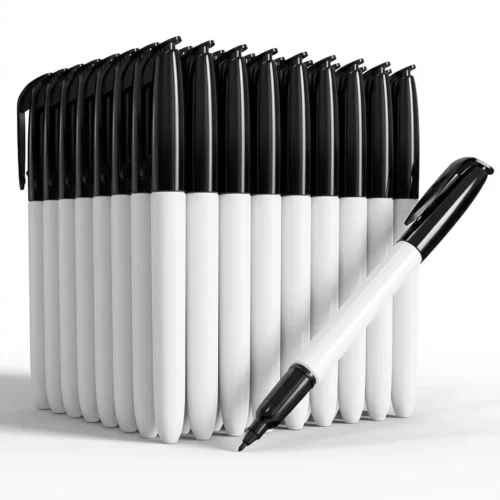
Black Dry Erase Whiteboard Markers – Bulk Supply

Aluminum Frame Magnetic Whiteboard with Black Pen Tray