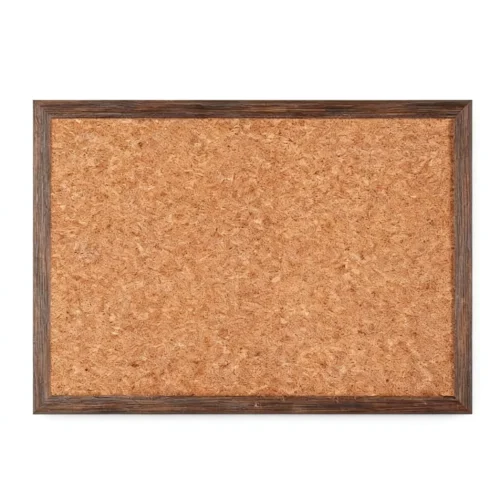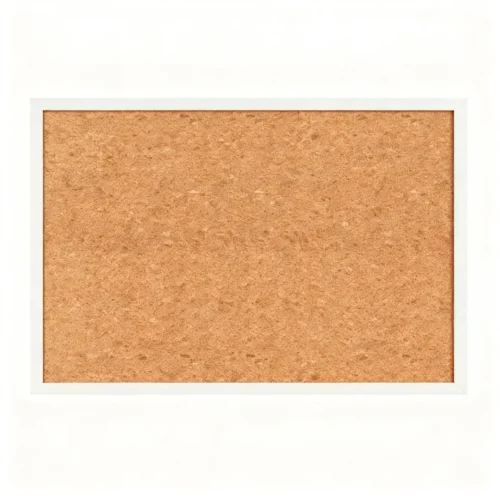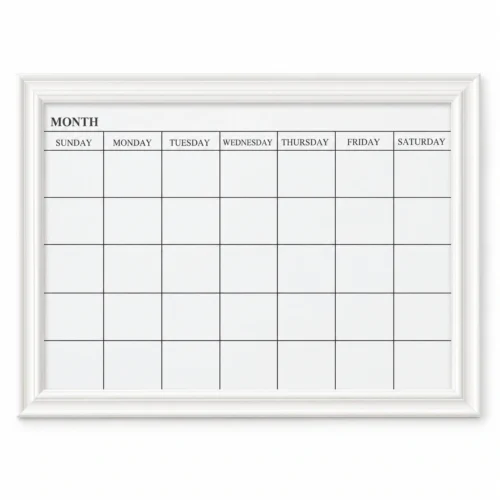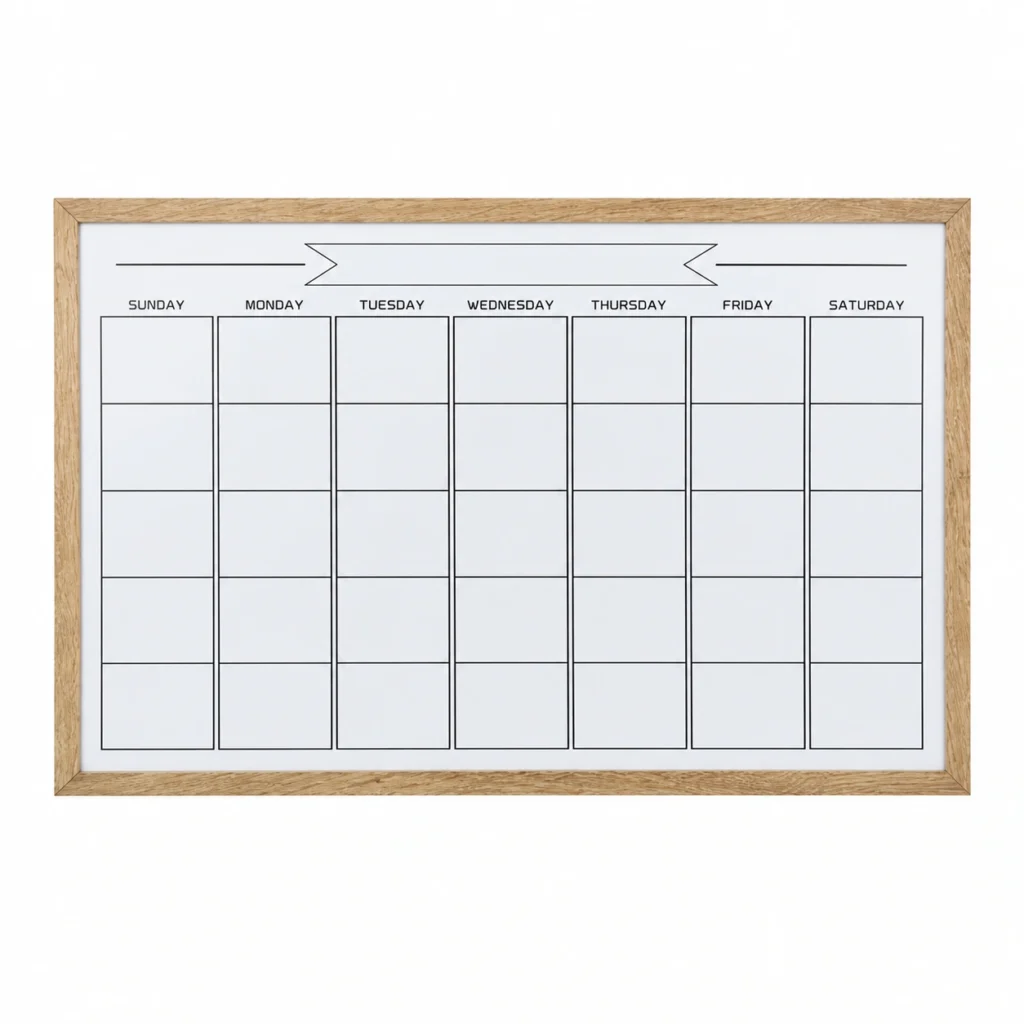
Planner whiteboards come in two main layouts: monthly grids with a box for every date, and weekly boards with a column or row for each day. Both look similar in a catalog, but they solve different problems. Choosing the wrong one is a common reason a planner ends up ignored, either because there is not enough room to write or because the view is too short to plan ahead.
This guide compares the two side by side so you can match the layout to the way your team, classroom or household actually plans.
What a Monthly Planner Board Does Best
A monthly board shows four to five weeks at once. Its strength is the big picture: you can see deadlines approaching, spot busy weeks before they arrive and avoid double-booking people or rooms.
- Project milestones, deadlines and launch dates
- Staff holidays and days off
- Events, trainings, inspections and client visits
- School terms, exams and parent meetings
The trade-off is space. Each date box holds only a few words, so monthly boards work best for short entries rather than detailed task lists. A layout with a notes column, such as the aluminum frame monthly planner whiteboard, gives you extra room for anything that does not fit in a box.
What a Weekly Planner Board Does Best
A weekly board trades range for detail. With a full column for each day, there is room for schedules, task lists, assignments and notes. It suits work that changes day to day and needs more than a one-line reminder.
- Daily task assignments and shift plans
- Class timetables and weekly lesson plans
- Meal planning and household chores
- Sales calls, deliveries and appointments for a small team
The limitation is that you only see seven days. Anything further ahead needs to live somewhere else, or it will be forgotten until it is suddenly urgent. Boards like the weekly planner dry erase whiteboard with notes section help by adding a space for “next week” items.
Side-by-Side Comparison
- Planning horizon: monthly shows about 30 days; weekly shows 7.
- Writing space per day: small on monthly boards; generous on weekly boards.
- Reset frequency: once a month versus once a week.
- Best for: deadlines and availability versus tasks and routines.
- Typical users: managers, coordinators and schools versus teams, families and individuals.
Which One Fits Your Situation?
Choose Monthly If…
Your main goal is to see what is coming and avoid clashes. Office managers tracking holidays and meeting rooms, project coordinators juggling deadlines and schools posting term events usually get more value from a monthly grid. It is also the better choice when the board is shared by several departments that each need to see the others’ plans.
Choose Weekly If…
Your work is planned in detail a few days at a time. Production teams, small sales teams, teachers planning lessons and families organizing meals and activities tend to prefer the extra space of a weekly board. It also works well for anyone who likes to tick off tasks as they go.
Five Questions to Ask Before You Buy
If you are still unsure, answer these questions with the people who will use the board every day. The pattern in your answers usually points clearly to one layout.
- How far ahead do we usually plan? If the answer is weeks or months, lean monthly. If it is days, lean weekly.
- How much do we write per entry? A name or a time fits in a monthly box; a list of tasks does not.
- Who reads the board? Managers scanning for conflicts need range; staff checking today’s jobs need detail.
- How often will someone update it? A weekly board needs a reset every week, so make sure someone owns that job.
- Do we already have a digital calendar? If so, the wall board should show the shared view your digital tools do not make obvious.
For planning beyond a single month, such as annual leave, project phases or a full school year, a year planner board is a third option worth considering alongside these two.
When to Use Both
Many teams find the best answer is both: a monthly board for the long view and a weekly board for day-to-day detail, mounted side by side. Each Monday, copy the relevant items from the monthly board into the weekly one and add the detailed tasks. This takes a few minutes and keeps short-term work connected to bigger deadlines.
If wall space is tight, a combination board that pairs a planner with a cork area or a plain writing section can cover more ground in one panel. See our combination whiteboards for layouts.
Sizing and Placement Tips
- For a monthly board read by a whole team, choose a size where each date box can hold at least two lines of writing.
- Weekly boards for personal or family use can be smaller, since they are read from closer up.
- Mount boards at eye level near where people gather, not in a hallway corner.
- Choose a magnetic surface if you want to use magnets for recurring or tentative items.
Our whiteboard size guide has more detail on matching board dimensions to rooms and viewing distances.
Find Your Planner Board
Browse monthly, weekly and combination layouts in our whiteboard calendars collection. You can try selected boards from Buy from 1 Piece with flat US$9 shipping in the US, or request a quote for custom grids, sizes and branded designs.
Shop the boards in this guide