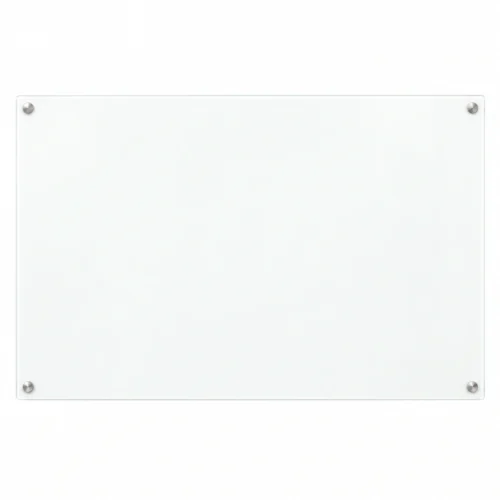
Magnetic steel whiteboards and glass whiteboards both give you a clean surface for planning, teaching and presenting. They look and behave differently though, and the right choice depends on the room, how often the board is used and the impression you want to make.
Quick comparison
| Magnetic steel whiteboard | Glass whiteboard | |
|---|---|---|
| Look | Classic, framed | Modern, frameless, available in colours |
| Writing and erasing | Good; depends on surface grade | Very smooth; erases cleanly |
| Ghosting over time | Low on enamel, higher on basic lacquered steel | Very low |
| Magnets | Works with standard magnets | Needs magnetic backing and stronger magnets |
| Weight | Lighter, easier to hang | Heavier; needs solid wall fixing |
| Budget | Lower cost per board | Higher cost, longer life |
When a magnetic whiteboard is the better fit
Choose magnetic whiteboards for classrooms, busy offices, warehouses and anywhere you want to hold papers with magnets. They are lighter, come in a wide range of sizes and frames, and are the sensible choice when you are equipping many rooms on a budget. Enamel or ceramic steel surfaces are worth the upgrade for rooms used every day.
When a glass whiteboard is the better fit
Glass boards suit boardrooms, receptions and design studios where appearance matters. Tempered glass is very durable and resists ghosting, and coloured or frosted finishes can match an interior. Plan for a solid wall and proper fixings, because glass boards are heavier than steel boards of the same size.
Questions to ask before choosing
- How many hours a day will the board be used?
- Do you need to hold papers with magnets?
- Is appearance important in this room?
- Can the wall support a heavier board?
- How many rooms are you equipping, and what is the total budget?
Still undecided? Many offices use glass in client-facing rooms and magnetic steel in team spaces. Tell us about your rooms and we will help you choose sizes and surfaces for a bulk order.
Shop the boards in this guide

Wall-Mounted Magnetic Whiteboard with Corner Caps

Aluminum Frame Magnetic Whiteboard with Black Pen Tray
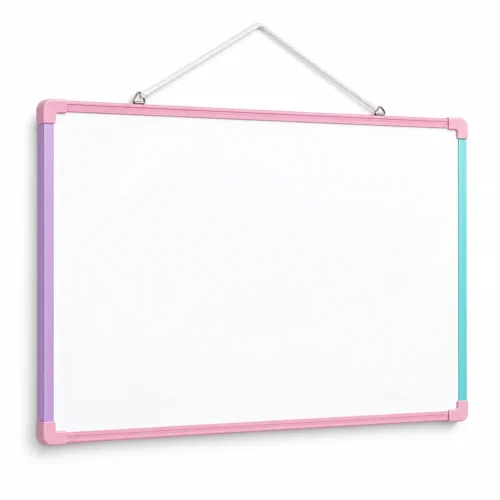
Color Border Magnetic Dry Erase Whiteboard