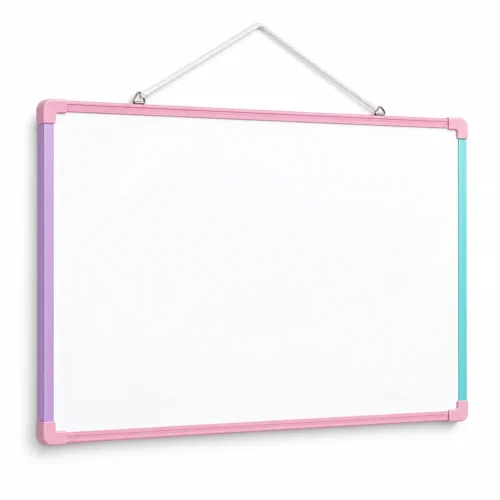
Ghosting is the faint shadow of old writing that stays on a whiteboard after you erase it. It makes new notes harder to read and makes a board look older than it is. The good news is that ghosting is usually preventable, and light ghosting can often be removed. Here is what causes it and what to do about it.
What causes ghosting?
- Ink left on too long. Dry erase ink is designed to sit on top of the surface. The longer it stays, the more it can bond to the surface, especially in warm or sunny rooms.
- The wrong marker. Permanent markers, flipchart markers and some low-quality dry erase markers leave pigment behind. Only use markers labelled dry erase.
- Dirty erasers. An eraser full of old ink spreads a thin film back onto the board.
- Harsh cleaners. Abrasive pads and strong solvents can scratch or dull the surface, which gives ink more places to stick.
- Surface type and wear. Melamine and lower-grade painted surfaces ghost more easily as they age. Glass and quality painted steel surfaces resist ghosting better.
Daily habits that prevent ghosting
- Erase notes within a few days rather than leaving them for weeks.
- Use good-quality dry erase markers and replace them when they start to fade. A dry marker presses ink into the surface instead of laying it on top.
- Clean or replace the eraser regularly. Felt erasers can be vacuumed or washed; microfibre cloths can go in the wash.
- Keep caps on markers so the ink flows evenly.
- Wipe the board with a damp microfibre cloth once a week to remove dust and residue.
How to remove light ghosting
- Write over it and erase. Trace over the ghosted marks with a fresh dry erase marker, then erase straight away. The solvent in the new ink often lifts the old pigment.
- Use a whiteboard cleaner. Spray a cleaner made for whiteboards onto a soft cloth and wipe in small circles.
- Try isopropyl alcohol. For stubborn marks on most whiteboard surfaces, a little isopropyl alcohol on a soft cloth usually works. Test a corner first and follow the board’s care instructions.
- Dry the board. Wipe with a clean, dry cloth so no streaks are left behind.
Avoid scouring pads, powder cleaners and acetone unless the manufacturer says they are safe for your board. They can damage the surface and make ghosting worse over time.
Choosing a board that resists ghosting
If a board will be used heavily every day, such as in a classroom or a busy meeting room, the surface matters. Glass whiteboards are non-porous, so they resist staining and ghosting very well. Painted steel magnetic whiteboards are a good balance of durability, magnet support and cost. For more about surfaces, see our guide to whiteboard surface types.
When it is time to replace a board
If ghosting comes back immediately after cleaning, or the surface is scratched and dull, the board has reached the end of its life. Replacing it is often cheaper than the time lost to unreadable notes. For more cleaning tips, read simple ways to keep your whiteboard clean, or browse our boards when you are ready for a new one.
Shop the boards in this guide

Wall-Mounted Magnetic Whiteboard with Corner Caps
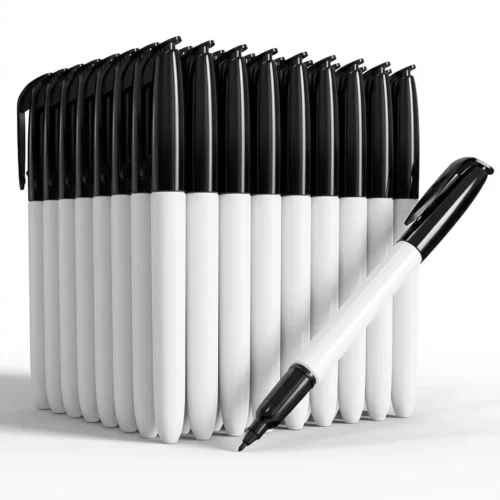
Black Dry Erase Whiteboard Markers – Bulk Supply

Aluminum Frame Magnetic Whiteboard with Black Pen Tray